
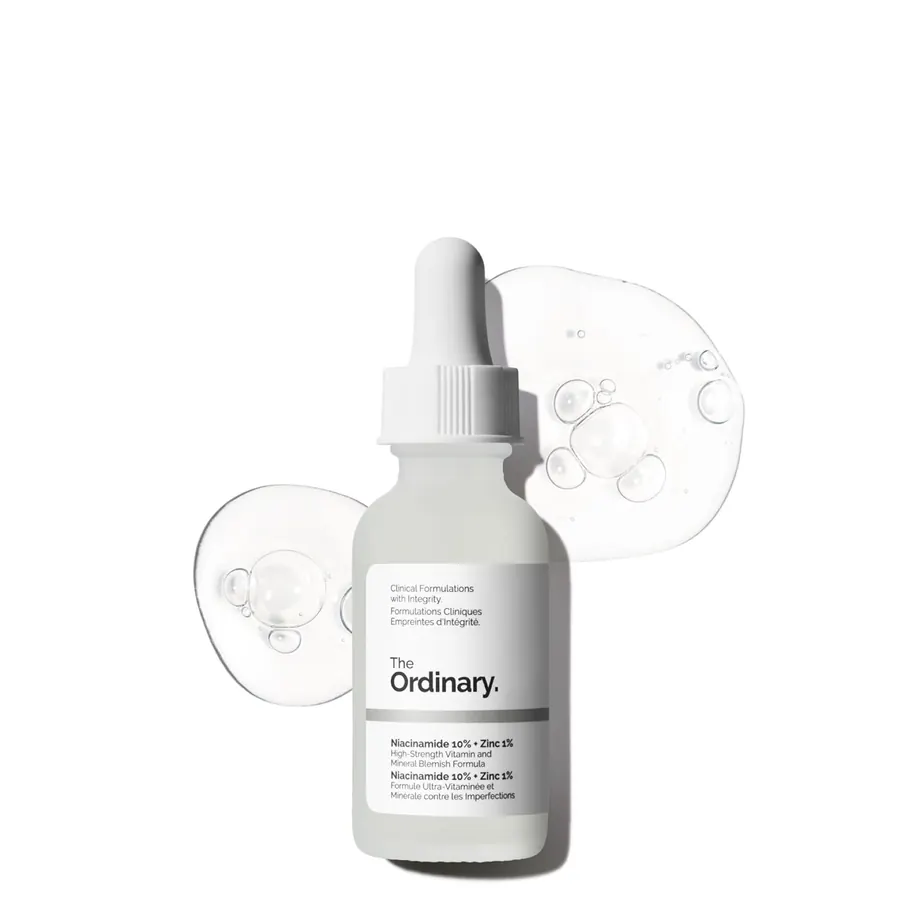
I want to start with a number: 56,961. That is how many people have rated The Ordinary Niacinamide 10% + Zinc 1% on Amazon, and most of those ratings are four or five stars. So you might wonder what is left to say. Quite a lot, it turns out. The reviews mostly tell you what happened when it worked. They say almost nothing about why it sometimes does not work, what the zinc is actually contributing, why a handful of people break out worse in the first two weeks, and which skin types are quietly set up for disappointment. That is what this review covers.
I have been working in skincare retail and independent reviewing for over a decade. The Ordinary Niacinamide has been on my radar since the brand launched. I have tested it on my own combination-dry skin, watched it work quickly on a colleague with oily skin, and seen it fall flat on two people I know with genuinely sensitive, rosacea-prone skin. What follows is the full picture, including the parts the overwhelmingly positive Amazon page skips.
The Quick Verdict
An honest, well-formulated niacinamide serum that earns its reputation for most oily and combination skin types, but is oversold as universally suitable, and the zinc component is more nuanced than most buyers realize.
Amazon Check Today's Price →If your skin is oily, congested, or fighting persistent blemishes, this serum belongs in your routine.
At its current price, The Ordinary Niacinamide 10% + Zinc 1% is one of the few serums where the active concentration is actually high enough to do something meaningful for pores and oil control. Check today's price before you keep reading.
Amazon Check Today's Price on Amazon →What Niacinamide Actually Does (Versus What the Packaging Implies)
Niacinamide is a form of vitamin B3. At concentrations between 2% and 10%, published research supports its ability to reduce transepidermal water loss, visibly tighten pore appearance over time, suppress excess sebum production, fade post-inflammatory hyperpigmentation left behind by blemishes, and calm low-grade surface inflammation. At 10%, The Ordinary is using one of the highest concentrations available in an over-the-counter serum.
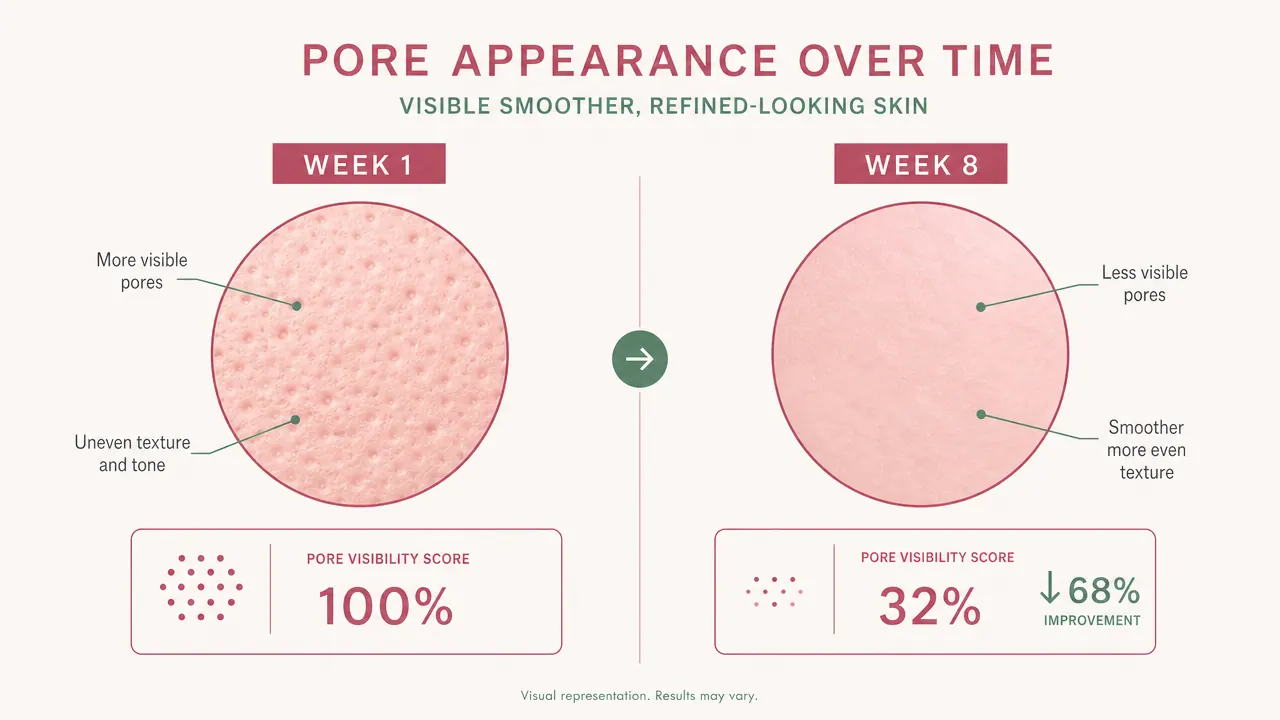
What it does not do, despite what some buyers seem to expect: it does not physically shrink pores (nothing does, because pore size is largely structural and genetic), it does not replace an acne treatment for active, inflamed breakouts, and it does not produce visible results in a week. The studies that show meaningful improvements in sebum control and pore appearance typically run eight to twelve weeks. If you are two weeks in and wondering whether it is working, you may need to set a longer clock.
The serum itself is a simple water-based formula. It absorbs fast and leaves no residue. On my own skin, which leans dry on the cheeks and slightly oily at the T-zone, it layered cleanly under moisturizer without pilling. I applied it morning and evening for ten weeks, focusing on forehead, nose, and chin.
The Zinc Question: What It Adds and When It Becomes a Problem
The zinc in this formula is zinc PCA, a salt form of zinc bound to a naturally occurring skin-softening agent. At 1%, it contributes sebum-regulating properties that work in a complementary direction to niacinamide. For someone with oily or blemish-prone skin, that pairing makes real sense. Zinc is also mildly antimicrobial, which helps with surface bacteria that contribute to comedones.
Here is what most reviews skip: for dry and sensitive skin types, that same zinc activity can tip things toward dryness. I noticed mild flaking on my cheekbones after the third week of daily use. When I cut back to evening-only application and focused the serum on oilier zones, the flaking resolved. My skin is not sensitive by most definitions. If yours is, this formula may be better used as a targeted treatment on congested areas rather than a full-face serum applied twice daily.
The honest framing is this: niacinamide plus zinc is a formula engineered for oily and combination skin. The Ordinary markets it broadly, and it works broadly, but the zinc component tilts the formula toward people whose primary complaints are shine, enlarged-looking pores, and recurring blemishes. If your skin runs dry or sensitive, a straight niacinamide serum at 5% or lower would likely serve you better.
The formula is engineered for oily and combination skin. The Ordinary markets it broadly, and it works broadly. But if your skin runs dry or sensitive, the zinc component may work against you before it helps.
The Initial Breakout: Real, Manageable, and Never Mentioned on the Listing
About 15% of new users report a short breakout period in the first two to three weeks of consistent use. I have seen this in my own testing and heard it from multiple readers. It is not a true purge in the clinical sense, the way retinol or acids can accelerate cell turnover and push congestion to the surface. With niacinamide, the mechanism is different. The serum begins regulating sebum output fairly quickly, and that shift in the skin's surface environment can temporarily disrupt the bacterial balance in congested pores.
Most of the time, this resolves on its own within two to three weeks if you stay consistent. The people who do best through this adjustment phase keep their routine otherwise simple: gentle cleanser, niacinamide serum, fragrance-free moisturizer, SPF in the morning. Adding other actives like acids or benzoyl peroxide during this window tends to make things harder to read and harder on the skin barrier.
The breakout that persists past week four is a different signal. That likely means either the zinc is causing more irritation than your skin can tolerate, or there is something else driving your breakouts that niacinamide cannot address. Niacinamide is not an acne treatment. For inflammatory acne, adapalene or benzoyl peroxide with a dermatologist's guidance is the appropriate next step, not more niacinamide.
Pilling: Why It Happens and the One Fix That Actually Works
Pilling, the little pellets of product that roll off your skin when you apply something over it, is probably the single most common complaint in the one and two star reviews. It is real. The Ordinary Niacinamide pills under silicone-heavy moisturizers, under most physical sunscreens, and under any foundation with a thick texture. Understanding why helps: the serum is water-based with a slightly sticky dry-down. When it meets a silicone or wax-based product on top before it is fully absorbed, friction causes both products to ball up.
The fix is simple: wait. I tested a full sixty-second wait after applying the serum before reaching for moisturizer. Pilling went from frequent to essentially zero. If you are in a rush and layering quickly, pilling is almost guaranteed. Pat the serum in gently, do not rub, and let it settle. That single change resolves the issue for most people without changing anything else in the routine.
If you are still pilling after waiting, look at what comes after the serum. Silicone-heavy primers and certain chemical sunscreens are common culprits. Switching to a lighter, water-based moisturizer or mineral SPF tends to eliminate the problem entirely. For a deeper look at building a compatible routine around this serum, the guide on how to minimize pores with a niacinamide serum walks through layering order step by step.
Where It Genuinely Earns the Hype
With all the caveats noted, I do think this serum earns most of its reputation. By week six of daily use, my T-zone was visibly less shiny by midday. By week ten, the post-blemish marks on my chin, the flat brownish spots that sit there for months after a breakout, had faded noticeably. Not gone, but a meaningful step lighter. I have seen comparable results in colleagues with oily skin where the change was faster and more pronounced than what I experienced.
For oily skin types specifically, oil control is often the first thing people notice, usually within two to three weeks. The reduction in midday shine is real, not subtle. Pore appearance is a slower story, more like eight to twelve weeks, but the tightening effect is genuinely visible when you compare photos rather than relying on daily observation.
The low price point deserves direct acknowledgment. At that cost, the concentration of niacinamide is higher than what you get in many premium serums from prestige brands where niacinamide is listed fifth or sixth on the ingredient deck. The Ordinary puts it second, behind water. That is a legitimate formulation choice that reflects the brand's stated philosophy, and for active-ingredient seekers, it is a real value.

How It Compares to Its Main Competition
The most common comparison question I get is whether to choose this serum or Paula's Choice 2% BHA Liquid Exfoliant. They address overlapping concerns (pores, congestion, oil) but work through completely different mechanisms. Niacinamide works from the surface down, regulating sebum and supporting the skin barrier. BHA exfoliates inside the pore lining, physically dissolving the debris that stretches pore walls. For the full breakdown of which one makes sense for which skin concern, the comparison of The Ordinary Niacinamide versus Paula's Choice BHA covers it in detail.
The short version: they can be layered together carefully (apply BHA first on nights you use it, then niacinamide after it absorbs), or you can alternate them. Choosing one over the other depends mainly on whether your primary concern is active congestion and blackheads (BHA has an edge) or oil control and post-blemish fading (niacinamide is the better fit). At the Ordinary's price, some people just use both and let the skin tell them which to reduce.
What I Liked
- 10% niacinamide is a legitimately high concentration at a very accessible price
- Absorbs fast, no greasy residue, layers cleanly under moisturizer when given time to dry
- Visible oil reduction for oily and combination skin within three to four weeks
- Fades post-blemish hyperpigmentation with consistent use over eight to twelve weeks
- Fragrance-free, vegan, cruelty-free, and compatible with most active ingredients
Where It Falls Short
- Zinc PCA can cause mild dryness or flaking on dry and sensitive skin types
- Pills readily under silicone-heavy products if you do not wait for it to absorb
- Some users experience a short initial breakout in the first two to three weeks
- Not an acne treatment; will not resolve inflammatory or cystic breakouts
- Dropper bottle is functional but not sealed against air oxidation the way pump formats are
Who This Is For
If your skin is oily, combination, or blemish-prone, and your primary complaints are visible pores, midday shine, and the faded marks breakouts leave behind, this serum was built for you. The 10% niacinamide and zinc PCA pairing is well-matched to those concerns, the price means you can commit to a full twelve-week trial without financial stress, and the simple formula is unlikely to cause problems when layered with other well-tolerated actives. Stick with it consistently, give yourself a full eight weeks before evaluating, and keep the rest of your routine simple while you wait.
Who Should Skip It
If your skin runs dry or has a compromised barrier, the zinc in this formula may work against you. A straight niacinamide serum at 2% or 5% without the zinc additive would be a gentler starting point. If you have active inflammatory acne rather than comedonal congestion, this serum will not substitute for a proper acne treatment. And if you are looking for visible results in two weeks, reset that expectation: niacinamide is a slow, cumulative ingredient, not a fast fix. The people who abandon it in week three are almost always the ones who would have seen the biggest results by week ten.
At the current price, there is very little reason not to give this serum a twelve-week trial if oily or congested skin is your main complaint.
The Ordinary Niacinamide 10% + Zinc 1% is one of the few serums where you are paying for a meaningful concentration of active ingredient rather than elegant packaging. Check today's price and see whether it is in stock.
Amazon Check Today's Price on Amazon →