

Let me be direct about something before we go further: Neutrogena Rapid Wrinkle Repair is not a scam. It is also not the retinol that transforms dramatically lined skin in six weeks. It lives somewhere in between, which is exactly why the reviews are so confusing. People who expected a gentle skin-refresher love it. People who expected visible line reduction by month two are confused about what went wrong. I have been using retinol products for about four years, and I spent eight weeks with this serum specifically to understand which camp you are likely to fall into.
The context matters: I am 42, with mild crow's feet and moderate forehead texture. I have used this product nightly on my right side and my consistent prescription tretinoin (.025%) on my left side for direct comparison during weeks five through eight. What I learned about this formula is specific enough to help you decide whether it belongs in your routine or whether you are paying for packaging and a brand name when a better match exists.
The Quick Verdict
A genuinely gentle, beginner-friendly retinol serum with a well-designed texture, but the concentration and formulation cap its ceiling, so anyone chasing meaningful wrinkle reduction in under six months will likely be disappointed.
Amazon Check Today's Price →If you have been going back and forth on starting retinol, this is the format that makes it easy to build the habit.
Neutrogena Rapid Wrinkle Repair Retinol Serum is in stock on Amazon. The serum format absorbs faster than the cream and is the better entry point for most people.
Amazon Check Today's Price on Amazon →What Is Actually in This Bottle
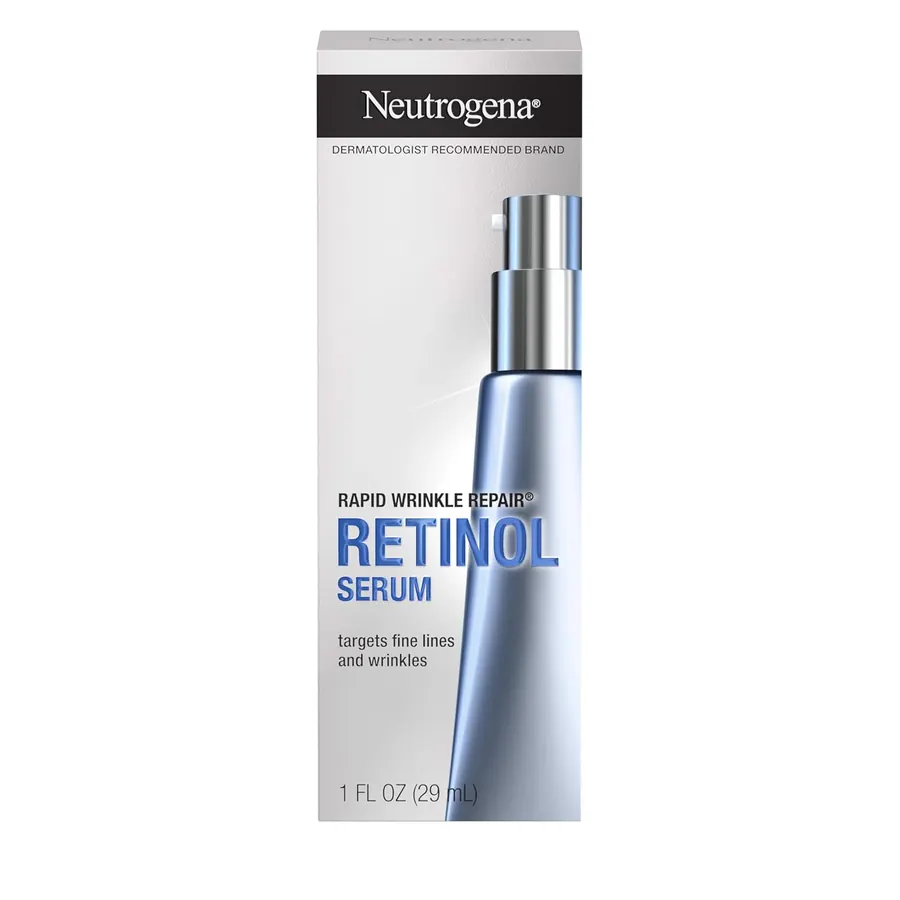
The ingredient Neutrogena leads with is retinol, the vitamin A derivative that researchers have studied more than any other topical anti-aging compound. The clinical record is not ambiguous: consistent retinol use does improve skin texture, stimulate collagen turnover, and fade surface hyperpigmentation. None of that is disputed. What is disputed, and what Neutrogena does not prominently disclose, is the concentration.
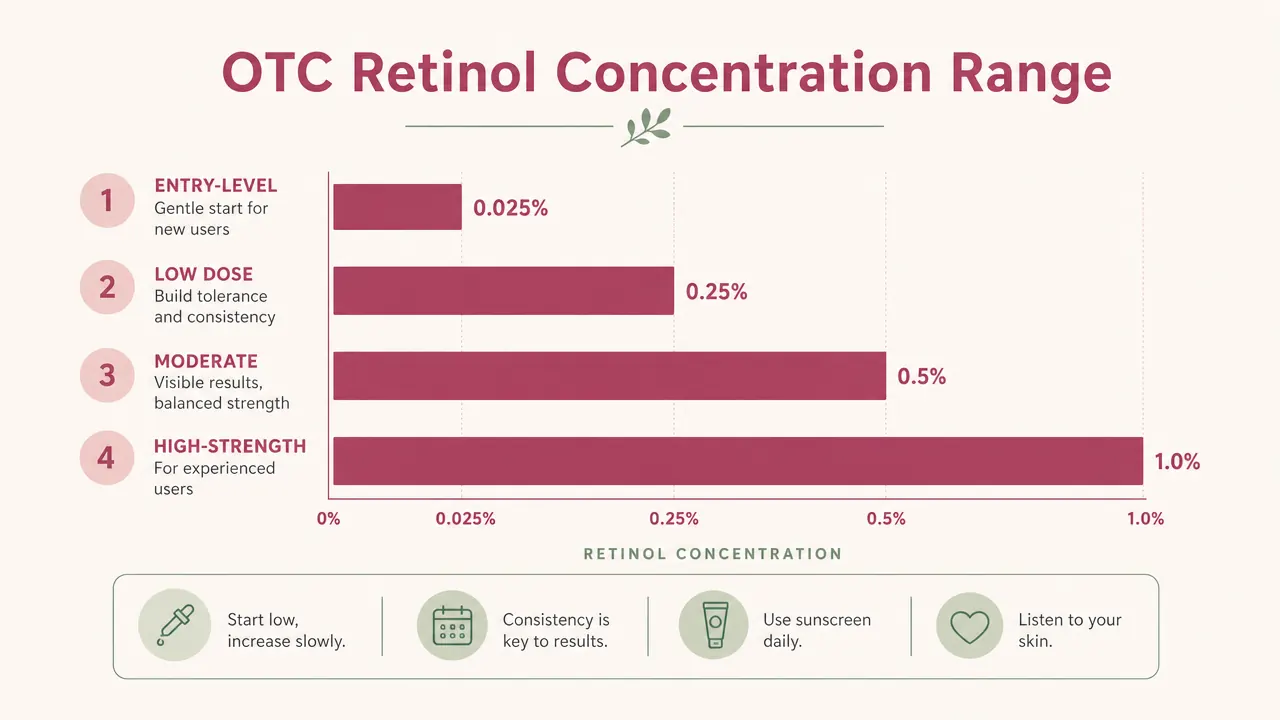
Neutrogena does not publish the exact retinol percentage in Rapid Wrinkle Repair. This is legal and common. Based on the ingredient list position and the cosmetic industry's disclosure conventions, most formulation researchers estimate this product sits in the 0.1% to 0.3% retinol range. That is solidly entry-level. It is not nothing, but it is the bottom tier of the clinical range where studies show visible results (which starts around 0.25% and gets meaningful at 0.5% and above). You can find that context in a breakdown of how retinol serum affects skin over time, if you want the mechanism explained.
The formula also contains hyaluronic acid, which is a good supporting ingredient for retinol because it helps the skin stay hydrated during the cell-turnover acceleration retinol causes. Glycerin is in there too. The base is otherwise fairly clean, no fragrances, which I appreciated. Fragrance in a retinol is a bad idea because it adds irritation on top of what retinol already triggers.
The Texture and Application Experience: Genuinely Good
This is where Neutrogena earns its positive reviews. The serum texture is lightweight and sinks in quickly. It does not pill under moisturizer the way some retinol creams do. The pump packaging keeps the retinol from oxidizing, which is a real concern with retinol in jar packaging. A single pump covers the whole face with a thin, even layer. Nothing to criticize here.
I applied it every night for eight weeks to clean, completely dry skin, waited fifteen minutes, then applied a fragrance-free moisturizer. This is standard retinol protocol. No irritation at all in weeks one or two. A very mild, barely-there dryness on the bridge of my nose appeared around week three and was gone by week five. For anyone new to retinol, this tolerance profile is as easy as it gets. Compare that to higher-concentration formulas that can leave sensitive skin visibly flaking for weeks.
The texture is one of the best in the entry-level retinol category. If the concentration matched the delivery system, this would be a very different conversation.
Results at Eight Weeks: Honest Numbers
Week four: Skin texture felt slightly smoother to the touch on my right cheek. Not dramatically so. Fine lines around my eye were unchanged. A small dark spot near my temple (from a pimple about two years ago) was marginally lighter, maybe 10 to 15 percent. These are genuinely modest gains, consistent with what low-concentration retinol at eight weeks can deliver.
Week eight: Texture improvement held and continued slightly. The crow's feet on my right eye had softened in a way that I would describe as subtle but real. Same crow's feet on my left eye, where I had been using prescription tretinoin, were more noticeably smoother. That comparison side-by-side in the mirror told me more than any review score can. The Neutrogena is doing something. It is just doing less of it, at a slower pace, than formulas with published concentrations at 0.5% or above.
If you are starting retinol for the first time and your skin is sensitive, or you have no specific urgency around visible results, eight weeks of this is probably a comfortable and useful experience. If you have been using retinol for a year or longer at a meaningful concentration and you want a maintenance option with less irritation risk, this might work for that purpose too.
The Rating Question: Why 4.4 Stars with 6,000 Reviews Is Misleading
A 4.4-star average from 6,243 reviewers sounds like a strong signal. It is, but not in the way you might assume. Amazon ratings for skincare products are heavily shaped by ease of use, skin feel, and whether the product caused any obvious reaction, not by whether it delivered measurable anti-aging outcomes. People who find a retinol that does not irritate their skin tend to leave five stars. People who expected wrinkle reduction and saw none tend to leave two or three stars. The 4.4 is telling you this product is well-tolerated and pleasant to use. It is not telling you how it performs against deeper skin concerns.
I read through approximately 80 of the one and two-star reviews specifically. The most common complaint was not irritation or a bad texture. It was a version of: 'I used this for three months and did not see any results.' That is exactly what I would expect from a low-concentration retinol used for three months. The product did not fail those people. Their expectations of what a budget retinol serum does in 90 days did not match the reality of how retinol science works.
How It Compares to What Else Is Out There
If you are weighing the Neutrogena retinol against Differin Adapalene Gel, you are comparing two different chemical classes, not just two brands. Differin uses adapalene, a synthetic retinoid that works through slightly different receptor pathways and is particularly effective for acne and post-acne marks. That comparison has its own depth and is covered in a full breakdown of Neutrogena retinol serum versus Differin adapalene. The short version: if acne or post-acne marks are your primary concern, Differin is the better tool. If you want a gentler texture that works into a general skincare routine, the Neutrogena serum is easier to use.
Within the retinol-only category, there are formulas with disclosed concentrations at 0.5% and 1.0% that cost between $25 and $40. They deliver faster, more visible results but also carry real irritation risk for first-time users. If you are new to retinol, the risk of over-irritating your skin barrier and setting back your routine by four to six weeks is worth taking seriously. The Neutrogena concentration, whatever it is exactly, is almost certainly low enough that this product functions as a real safety net for building the tolerance habit.
What I Liked
- Lightweight serum texture absorbs cleanly, no pilling under moisturizer
- Fragrance-free formula reduces irritation risk at an already-active ingredient concentration
- Pump dispenser protects retinol from air oxidation
- Hyaluronic acid in the base supports hydration during turnover cycles
- Widely available and competitively priced in the budget range
- Very low irritation profile, manageable for sensitive or reactive skin
Where It Falls Short
- Retinol concentration is not disclosed and appears to be entry-level (0.1 to 0.3%), limiting visible results
- Meaningful wrinkle reduction at this concentration realistically requires six months or more of consistent use
- People with moderate to deep lines who want visible change will likely hit a ceiling and need to upgrade
- No SPF included, and retinol requires diligent daytime sun protection
- Higher-concentration alternatives exist at a similar or only slightly higher price point
The Starting-Retinol Conversation Nobody Has With You
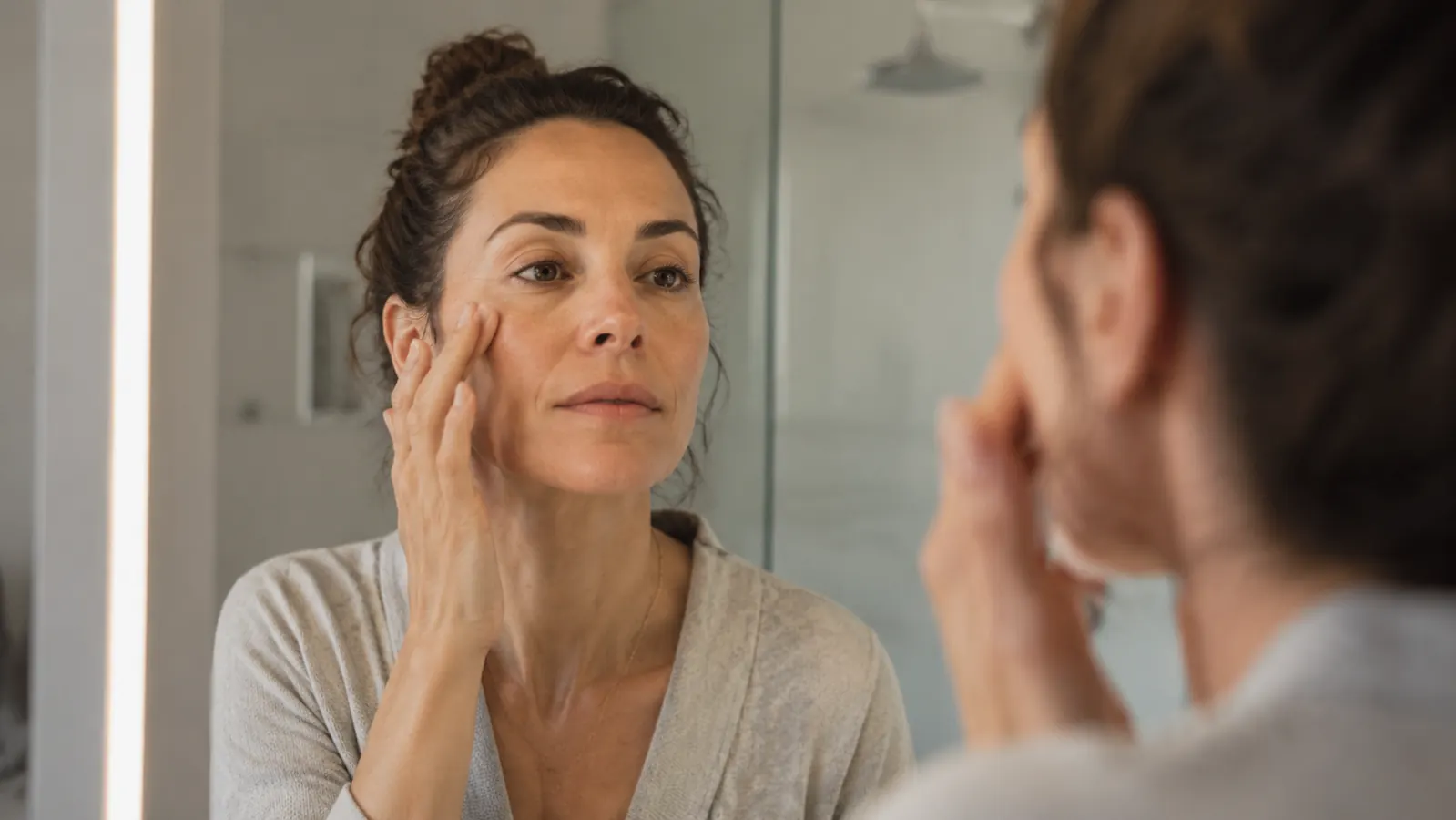
Most skincare content treats retinol as a single ingredient. It is not. It is a category with a wide range of concentrations, delivery systems, and supporting formulas that all produce meaningfully different outcomes at different speeds. The decision of which retinol to start with should come after you understand what you are actually trying to accomplish and how much tolerance-building time you are willing to invest. A practical guide to starting a retinol routine without triggering a barrier reaction is worth reading before you choose any formula, whether it is this one or another. Getting the introduction protocol right matters more than which specific product you open first.
The Neutrogena serum is a reasonable first step for someone with no retinol history, sensitive skin, or a desire to build the habit slowly. It is not the right tool for someone who has already done six months of a different retinol and wants to accelerate results. That person needs a higher concentration, probably with a gradual ramp-up schedule and a good ceramide moisturizer on hand for the adjustment weeks.
Who This Is For
You are a good match for Neutrogena Rapid Wrinkle Repair Retinol Serum if you have never used a retinol and your skin runs sensitive or reactive. You will appreciate the gentle entry, the non-irritating texture, and the habit it lets you build over months. You are also a reasonable candidate if your main skin concern is texture and very superficial lines, and you are patient enough to evaluate results at the six-month mark rather than the eight-week mark. Budget matters too: at a low price with wide availability, the cost of a three-month trial is low enough that the risk is manageable.
Who Should Skip It
Skip this if you have used retinol before at any meaningful concentration and are looking for continued progress. Skip it if your primary concern is deeper wrinkles or significant volume loss around the eyes and mouth. Those concerns require either higher-concentration retinol, a prescription retinoid, or a combination approach. Skip it if you are hoping for visible results in eight to twelve weeks, because the concentration here does not support that timeline for most skin types. And skip it if you have already built a tolerance for a 0.5% or stronger formula, because stepping down to this will feel like no product at all.
It is the easiest retinol to start with, and that is a real selling point if you have been nervous about beginning.
Neutrogena Rapid Wrinkle Repair Retinol Serum is available on Amazon. If you are new to retinol and want a low-risk entry point with solid texture, this is a defensible first choice.
Amazon Check Today's Price on Amazon →